

Do physical activity and sedentary behaviour have an effect on burnout risk in Flemish secondary school teachers? A prospective study
February 1, 2026
Associations of sedentary behaviour and physical activity with stress-related sleep disturbance among adolescents in 69 countries: a population-based study
February 25, 2026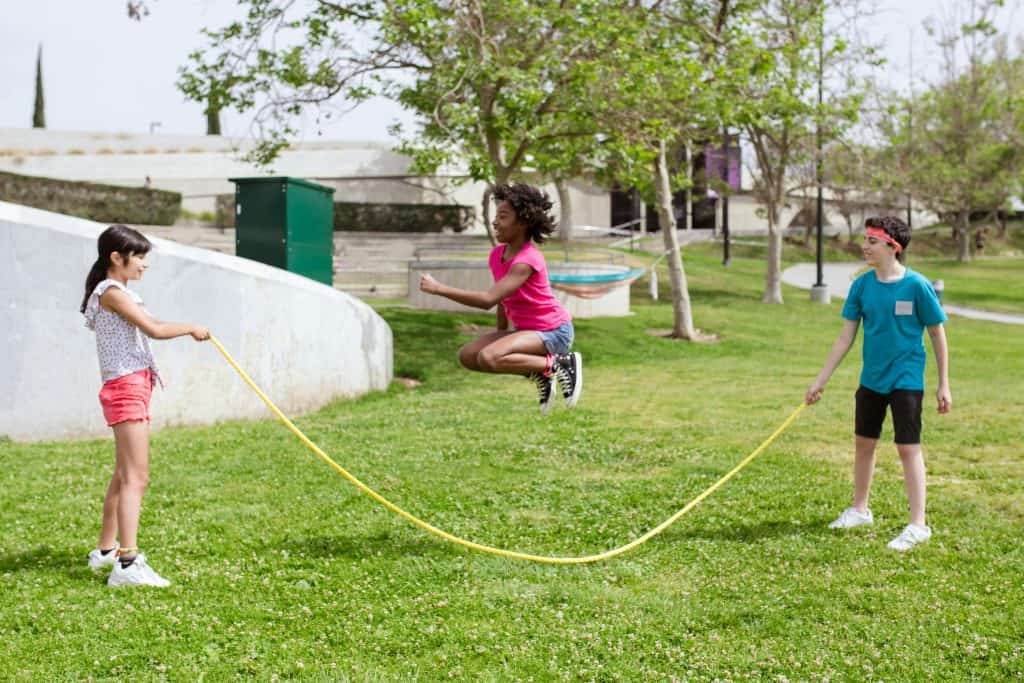
A new study entitled “Effectiveness of Interventions to Increase Physical Activity and Reduce Sedentary Behaviour in Children and Adolescents With Intellectual Disabilities: A Systematic Review and Meta-Analysis of Randomized Controlled Trials” was recently published in Journal of intellectual Disability Research. A summary and citation are included below.
Abstract
Background: Children and adolescents with intellectual disabilities often do not meet the recommended guidelines for physical activity (PA) and sedentary behaviour (SB). Evidence-based recommendations for effective interventions are lacking. This study aimed to review existing interventions and identify effective components for this population.
Methods: A systematic search of Web of Science, Medline, ERIC, Ovid and SPORTDiscus was conducted from their inception to February 2023, to identify eligible articles according to a series of inclusion and exclusion criteria. The Revised Tool to Assess Risk of Bias in Randomized Trials (RoB 2.0) was used to assess risk of bias in the included studies. The random-effects model was used to pool the weighted results and the I2 statistic was applied to assess heterogeneity of the included studies.
Results: Five randomized controlled trials were included in this review. Regarding intervention components, four trials exclusively used exercise, whilst the other one combined exercise with health education and diet. The meta-analysis demonstrated that interventions were effective at increasing PA (3.73 min, Z = 4.44, 95% CI [2.09, 5.38], p < 0.00001) and decreasing SB (-15.31 min, Z = 2.59, 95% CI [-26.90, -3.72], p = 0.01), compared with control groups.
Conclusions: Exercise was an effective intervention component in promoting PA and reducing SB in children and adolescents with intellectual disabilities. The findings of this study provided preliminary evidence for decision-making in PA promotion and SB reduction in the target population.
CITATION
, , , et al. 2026. “ Effectiveness of Interventions to Increase Physical Activity and Reduce Sedentary Behaviour in Children and Adolescents With Intellectual Disabilities: A Systematic Review and Meta-Analysis of Randomized Controlled Trials.” Journal of Intellectual Disability Research 1–10. https://doi.org/10.1111/jir.70093.
Photo by RDNE Stock project on pexels