
The Sedentary Behaviour Research Network is supported by its dedicated Advisory Commitee
The Advisory Committee is comprised of a group of international researchers who engage in meaningful activities for SBRN to advance the field of sedentary behaviour.
7
experts
7
countries
6
continents
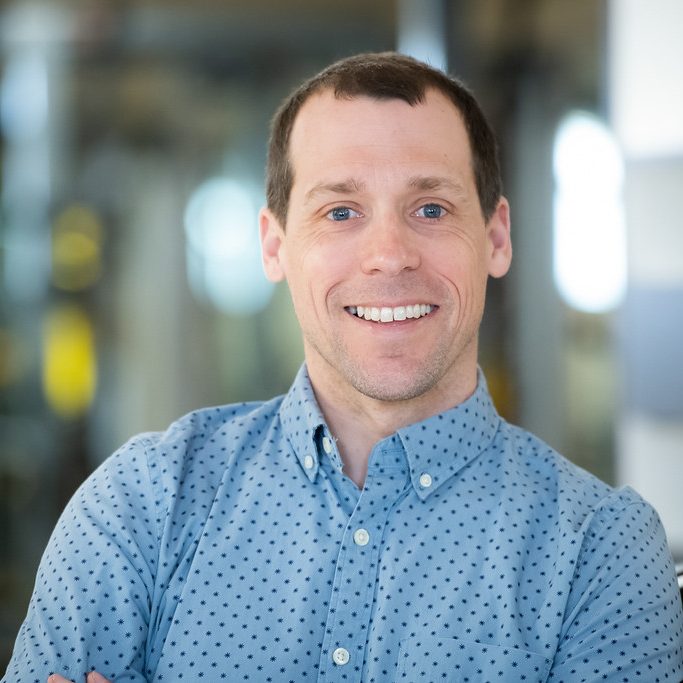
Travis Saunders, PhD
Dr. Saunders examines the relationships among physical activity, sedentary behaviour, and health outcomes across the lifespan. He was a founding member of the Sedentary Behaviour Research Network and has contributed to the development of Canada’s 24 Hour Movement Guidelines for children and adults. He also led the development of the International School-Related Sedentary Behaviour Recommendations, advancing global efforts to promote healthy movement behaviours in educational settings.
Wendy Huang, PhD
Professor, Academy of Wellness and Human Development, Hong Kong Baptist Univeristy, Kowloon Tong, Kowloon, Hong Kong, China.
Dr. Huang’s research interest centers on the comprehensive spectrum of 24-hour movement behaviours, encompassing physical activity, sedentary behaviour, and sleep, across various populations. She is particularly intrigued by the interplay between these time-use elements and how they collectively influence overall health and child development. By leveraging advanced analytic techniques and emerging wearable devices, she seeks to capture a comprehensive picture of daily movement patterns. The implications of her research offer insights that can foster the development of holistic strategies for health optimization.

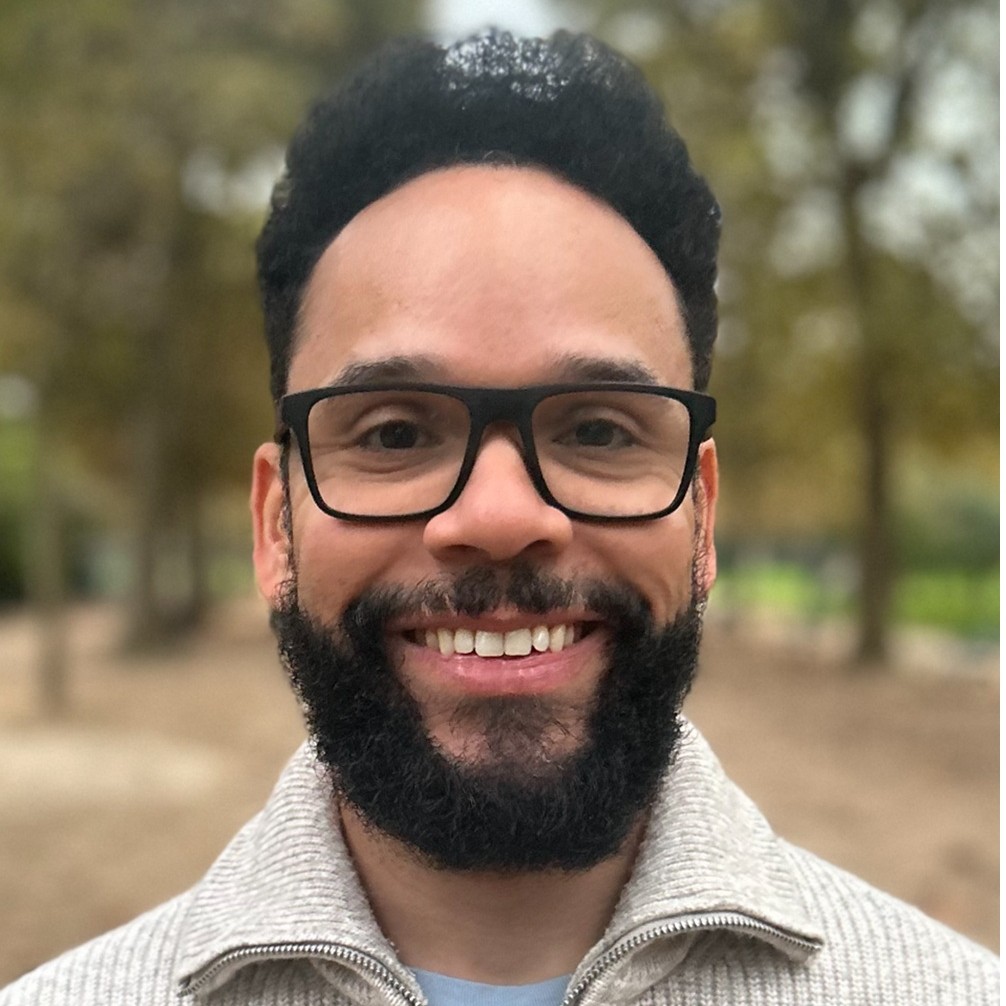
Diego Augusto Santos Silva, PhD
Associate Professor, Department of Physical Education, Sports Center, Federal University of Santa Catarina (UFSC), Florianópolis, Brazil.
Dr. Silva's research program focuses on epidemiological and measurement-based investigations of physical activity, sedentary behaviour, 24 hour movement behaviours, obesity, and health-related physical fitness across the life course. Based at the Sports Center of the Federal University of Santa Catarina (UFSC), Brazil, he leads a research group that integrates surveillance, movement behaviour assessment, body composition and fitness evaluation, and equity-focused analyses to better understand behavioural risk factors.
His current projects include studies examining movement behaviour-related health outcomes, methodological work aimed at harmonizing measures across instruments and settings, and multi-country collaborations designed to reduce data gaps in low and middle income countries. Since 2016, he has contributed to national and international Report Card initiatives, with a strong emphasis on justice, equity, diversity, and inclusion in child and youth health monitoring. He also mentors MSc, PhD, and postdoctoral trainees and collaborates with research teams across the Americas, Europe, and Oceania.
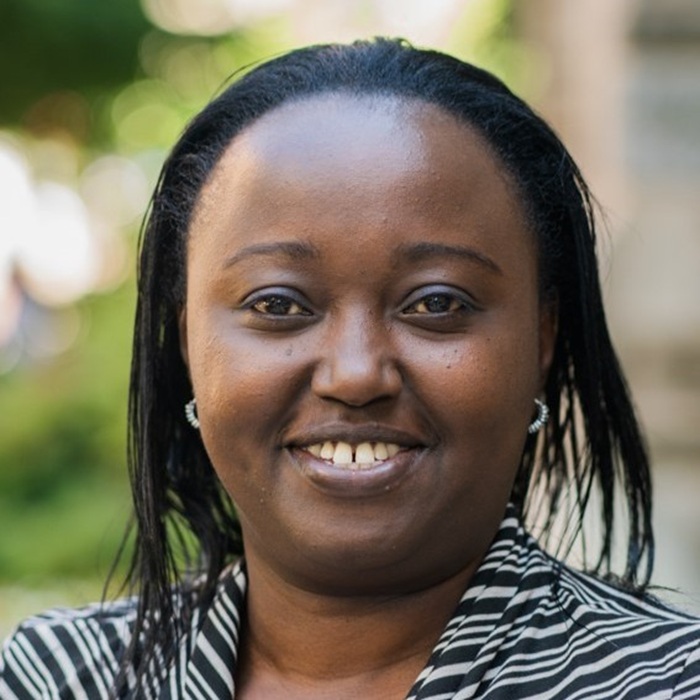
Lucy Joy Wachira, PhD
Lecturer, Physical Education, Exercise and Sports Science, School of Health Sciences, Kenyatta Univeristy, Kahawa, Nairobi County, Kenya.
Dr. Wachira's research focuses on physical activity, sedentary behaviour, and health among children and youth, with a particular emphasis on low- and middle-income settings in sub-Saharan Africa. She has contributed to large international studies examining movement behaviours, including device-measured physical activity, active transportation, and adherence to 24-hour movement guidelines. Her work also explores the relationships between physical activity, obesity, and broader social and environmental determinants of health, particularly in urbanizing contexts. In addition, she has research interests in injury prevention, safety, and risk management in physical activity and outdoor adventure settings.
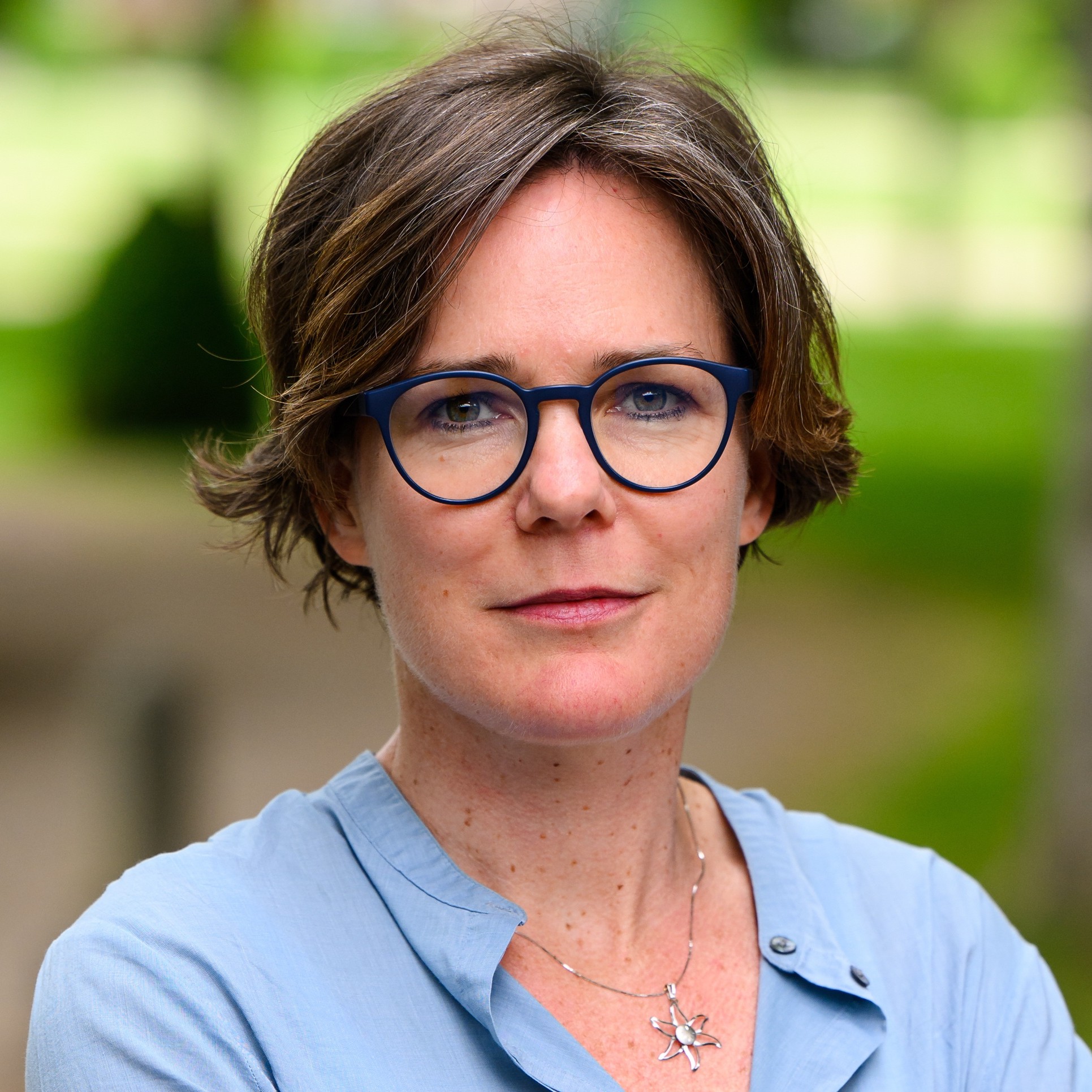
Annemarie Koster, PhD
Associate Professor, Lifestyle Epidemiology, Maastricht University, Maastricht, Netherlands.
Dr. Koster's research focuses on the health impacts of sedentary behaviour, physical activity, and sleep, with a particular emphasis on data derived from wearable devices. She also investigates the determinants of these movement behaviours, especially the socioeconomic and environmental factors that influence how individuals sit, move, and sleep. Much of her work is based on large national and international cohort studies.
Dr. Koster is a member of the management board of The Maastricht Study, a prospective cohort study in which she leads the accelerometer research line. She also serves on the strategic leadership group of the Prospective Physical Activity, Sitting, and Sleep (ProPASS) consortium. In the Netherlands, she contributed to the development of the Dutch physical activity guidelines in 2017 as part of an expert committee, and in 2023 she participated in the WHO scoping and planning meeting on physical activity measurement and surveillance in adults.
Marco Giurgiu, PhD
Professor, Institute of Movement Therapy and Movement-Oriented Prevention and Rehabilitation, German Sport University Cologne, Cologne, North Rhine-Westphalia, Germany.
Dr. Giurgiu's research focuses on prevention science and workplace health promotion, with a particular emphasis on the relationship between device-measured physical behavior and momentary psychological outcomes. Using real-time data collection approaches in naturalistic settings, such as smartphone-based diaries, wearables, and additional sensor technologies, this work examines how breaks in sedentary behavior during everyday work impact stress, mood, and cognitive performance.
They also focus on validating wearables for the assessment of 24-hour physical behavior, with the overarching goal of improving validation protocols and processes. Current projects further advance just-in-time adaptive interventions, which deliver personalized health prompts at optimal moments. Future work will integrate machine and deep learning methods in collaboration with computer science to enhance the precision and effectiveness of these interventions.
Genevieve Healy, PhD
Professor, Physical Activity & Health, The University of Queensland, Brisbane, Australia.
Dr. Healy's program of research focuses on sedentary behaviour and physical activity in adults across the 24-hour day. This includes understanding impacts on health, wellbeing and performance, and the feasibility, acceptability and sustainability of modifying these behaviours in key settings and populations including desk-based workers and those with or at risk of type 2 diabetes. Co-design with stakeholders and end-users is embedded across her research program, which includes working with government, clinical, public health, private industry, not-for-profit, community and workplace partners in research and its’ translation into policy and practice. She leads the BeUpstanding program of research - an online workplace health and wellbeing initiative supporting teams of desk-based workers to reduce their sedentary time.